

Short answer: the Oura Ring is still the best sleep tracker for most people over 50 — accurate enough to trust, comfortable enough that you’ll actually wear it every night, and I’ve now worn one myself for 18 months (full review here). If you hate the idea of another subscription, skip to the Garmin Index. If you don’t want anything on your body at night, go straight to the Withings mat.
I’ve spent the past two years trying to fix a sleep problem I didn’t always have – the kind that shows up somewhere around 50, along with the blood pressure numbers and the knee that clicks on the stairs (or is that just me?).
I’ll leave the going-to-the-loo-at-night problem for another time.
Somewhere in that process I bought, wore, and argued with six different sleep trackers. Sometimes at the same time. This is what I’d recommend to anyone.
One thing up front which sounds obvious, but I’ll say anyway: none of these devices diagnose anything. They estimate. Some estimate better than others, and I’ll tell you which and by how much. But if you think you might have sleep apnea, that’s a conversation with a doctor and possibly a real sleep study, not a $400 ring.
The six best sleep tracker picks
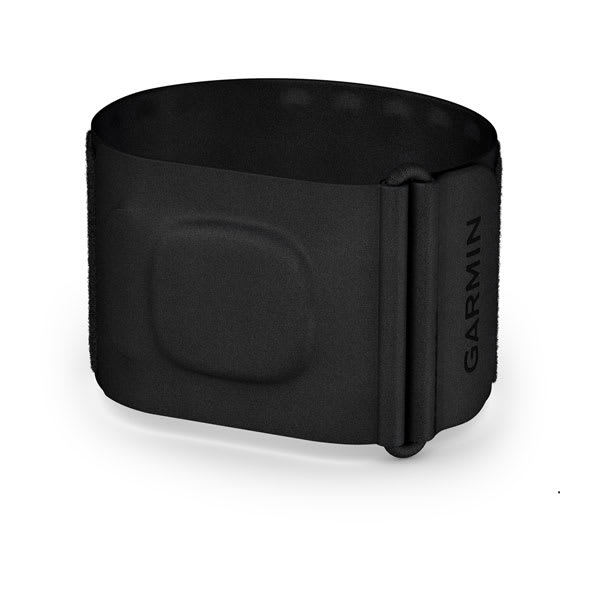
Garmin Index Sleep Monitor
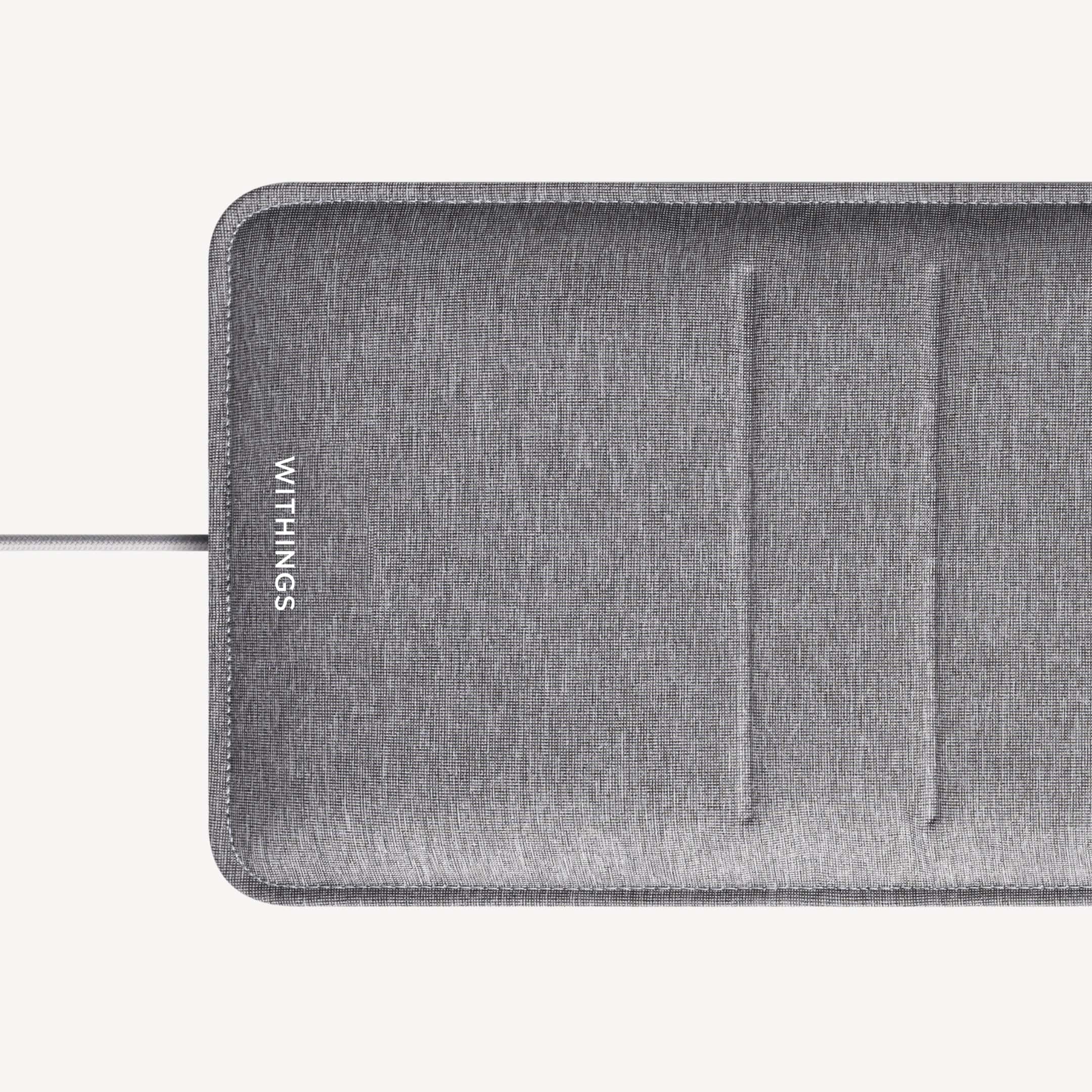
Withings Sleep Analyzer
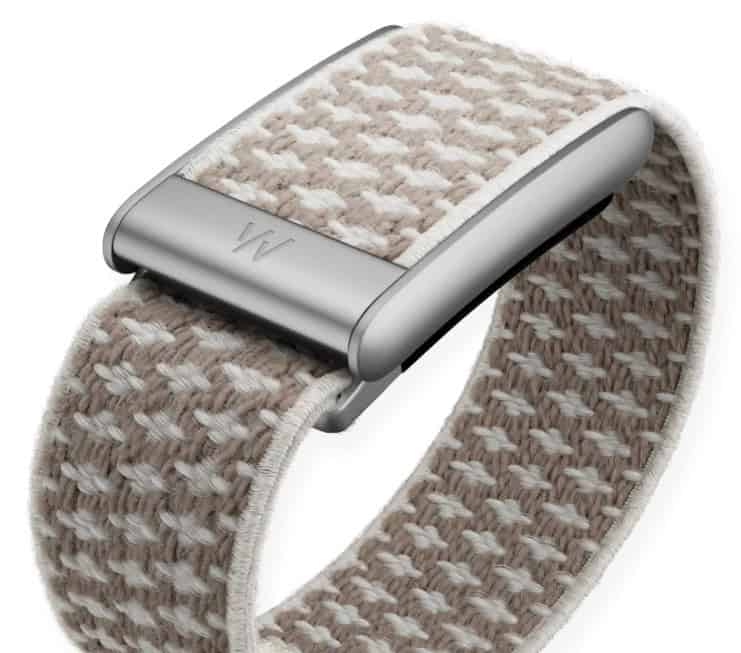
WHOOP
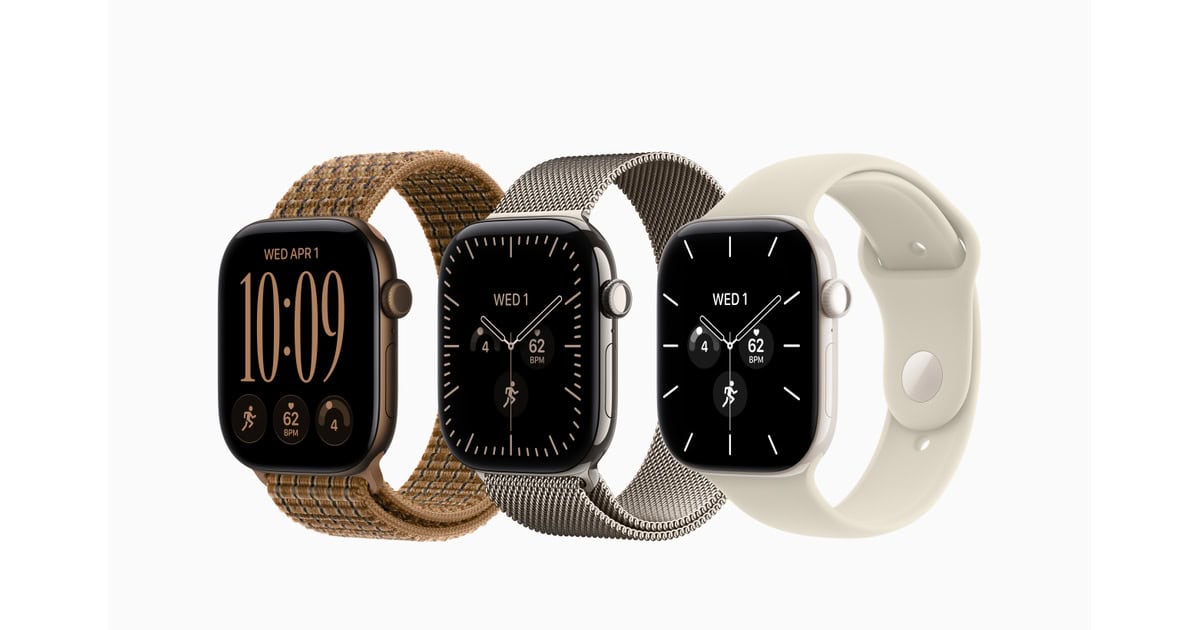
Apple Watch Series 12
Muse S Athena
How they compare
| Product | Best for | Price | Subscription | Battery life |
|---|---|---|---|---|
| Oura Ring | Overall accuracy | $399–$499 | $5.99/mo or $69.99/yr | 6–9 days |
| Garmin Index Sleep Monitor | No monthly bill | $169.99 | None | Up to 7 nights |
| Withings Sleep Analyzer | Nothing to wear | $199.95 | Optional, $9.95/mo | N/A — plugs into an outlet |
| WHOOP | Training & recovery | $199–$359/yr | Required (hardware bundled) | 14+ days |
| Apple Watch Series 12 | Already own an iPhone | From $399 | None for sleep features | Up to 24 hrs (38 hrs low power) |
| Muse S Athena | Sleep-stage accuracy | $474.99 | Optional Premium | ~10 hours |
Confidence level: high. No consumer wearable on this list — including the Oura Ring, our best sleep tracker pick — matches clinical polysomnography for sleep-stage accuracy. Validation studies consistently show these devices are good at detecting whether you’re asleep or awake and much less reliable at telling deep sleep from REM. Treat every number on every one of these as a trend to watch, not a diagnosis.
How I picked
I started by reading the current top roundups for “best sleep tracker” — the ones actually ranking — and logging every product they named, its price, and the award they gave it. That gave me a pool of 13 distinct products before I formed any opinion about which ones were good.
From that pool, the cheapest widely-recommended device (Withings, under-mattress) sits around $170–$200, and the middle of the market sits around $370. I built the six picks above around that real spread: something near the floor, something near the middle, and a couple of picks that earn a higher price with a specific, named gain rather than just more features.
I left three things out on purpose. Eight Sleep’s Pod and similar whole-bed temperature systems start around $2,300 and go well past $2,900 — that’s not a sleep tracker purchase anymore. I cover it separately in the buying guide below rather than pretending it belongs on the same price ladder as a $170 armband.
The Samsung Galaxy Ring is a competent Oura competitor, but I couldn’t find anywhere near the independent, hands-on owner feedback the other six have. I’ve also never used it, and I’m not going to rank a product I can’t back up with real usage reports or first-hand experience.
RISE and similar sleep-coaching apps are software, not hardware — useful, but they’re not what someone searching for the best sleep tracker is actually shopping for.
Oura Ring — Best Overall
$399–$499 (finish-dependent) · $5.99/mo or $69.99/yr membership · 6–9 day battery · Waterproof to 100m
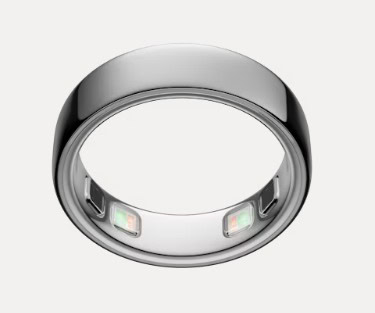
I’ve had an Oura Ring on my finger for 18 months now, and it’s the one device on this list I never stopped wearing. It’s titanium, waterproof to 100m, and disappears on your hand in a way no watch or band does — which matters more than it sounds like it should when you’re deciding whether to bother wearing something to bed every night.
The current Ring 5 is 40% smaller and lighter than the Ring 4 I started with, with the same 6–9 day battery and the same core sleep, HRV, temperature, and readiness tracking. The membership isn’t optional if you want the full picture — it’s the one real catch, and I get into whether it’s worth it in my full review.
Pros
- Comfortable enough to actually wear every night, which is huge with a tracker
- Titanium build and 100m water rating mean you never think about taking it off
- iOS and Android, and integrates with 40+ other health apps
- Deepest base of independent research of anything on this list
Cons
- The membership is functionally required, not optional, for full insights
- Sizing is finicky — Oura mails a free sizing kit; use it, don’t guess
- Battery life drops noticeably every month
Who it’s for: anyone who wants one device that does sleep, recovery, and daily activity well, and doesn’t mind a small monthly cost. Who should skip it: anyone who’s already decided they won’t pay a subscription — go to the Garmin pick instead.
What actual owners say (checked 2026-09-12): the most common complaint I found in real owner comments wasn’t accuracy; it was fit — more than one person mentioned returning a Ring 5 because it felt intrusive on the index finger specifically, while praising the app and sleep data itself. A second recurring thread: battery life drops from the advertised 6–9 days if you sync the ring to a lot of third-party apps rather than using the Oura app alone. (It also drops without apps.)
Caveat: Oura doesn’t publish an official battery-life figure broken down by how many connected apps you run — the app-count effect above comes from owner reports, not a spec sheet.
Garmin Index Sleep Monitor — Best Budget / No Subscription
$169.99, one-time · No subscription · Up to 7 nights battery · 5 ATM water rating
This is Garmin doing the thing Garmin does well: a purpose-built device, priced once, with no recurring bill attached. It’s a soft armband, not a ring or a watch — worn higher up, which some people find more comfortable overnight than anything on a finger or wrist.
You get sleep stages, recovery metrics and Garmin’s own sleep score, synced to the Garmin Connect app. What you don’t get is the broader daily-activity tracking a Ring or Watch gives you — this device is built for one job.
Pros
- No subscription, full stop — pay once
- 7-night battery beats most rings and all watches
- 5 ATM water rating — shower or swim with it on
- Cheapest device on this list with a real, published spec sheet
Cons
- Sleep-only. No daily step count, no broader fitness tracking
- Best suited to existing Garmin Connect users — less useful as a standalone first device
- Armband fit won’t suit everyone; if you already hate anything on your arm overnight, this isn’t the one
Who it’s for: anyone who wants sleep tracking and nothing else, and refuses another monthly bill — if a subscription is a dealbreaker, this is the best sleep tracker for you. Who should skip it: anyone who also wants daily step/activity tracking in the same device — that’s the Oura Ring or the Apple Watch.
What actual owners say: too few independent owner comments specifically about the standalone Index band to draw a real pattern from. In side-by-side testing, owners of other Garmin devices running the same sleep algorithm report it tracking closely with Oura on sleep-stage timing, which is a reasonable proxy for how the Index band’s own algorithm behaves. Check price at Garmin
Withings Sleep Analyzer — Best If You Won’t Wear Anything
If you know, honestly, that you will not wear a ring or a band to bed every night, stop trying to force it and get this instead. It’s a thin pad that slides under your mattress and reads sleep cycles, heart rate, and breathing through the mattress itself — nothing to charge, nothing to remember to put on. For that specific problem, it’s the best sleep tracker on this list.
It plugs into the wall via a USB power adapter, syncs over Wi-Fi, and core sleep tracking works without any subscription. The optional Withings+ membership adds daily coaching on top, but it’s genuinely optional here, unlike Oura’s.
Pros
- Zero compliance problem — nothing to remember to wear
- No battery to manage; it’s always powered
- Core sleep tracking works with no subscription at all
- Also tracks heart rate and breathing patterns, not just movement
Cons
- Only works for one sleeper at a time on a given mattress spot — a partner’s movement can register as noise
- No daily activity or step tracking — it’s a bed sensor, not a wearable
- Requires Wi-Fi and a nearby outlet, which some bedrooms don’t have conveniently
Who it’s for: anyone who has already tried and abandoned a wearable tracker, or just doesn’t want one. Who should skip it: anyone sharing a bed who wants their own individual data cleanly separated — a wearable is more reliable for that.
What actual owners say: too few independent owner comments to draw a real pattern from here — most of what’s public is professional review coverage rather than hands-on owner reports.
Caveat: Withings’ own current listed price ($199.95) runs higher than the $99.95–$169.95 this device has been quoted at elsewhere recently — sale pricing moves around, so check the live price before you buy.
WHOOP — Best for Training & Recovery Insight
$199–$359/yr, hardware bundled · 14+ day battery · Water rating not published · iOS & Android
WHOOP isn’t really a sleep tracker with extra features — it’s a training and recovery tool that happens to be excellent at sleep, because sleep is the input its recovery score depends on most. If you’re lifting, running, or otherwise training seriously, this is the best sleep tracker pick built for you specifically.
There’s no upfront hardware cost like with the others — you pay the membership, and the band comes with it. Three tiers: One ($199/yr) covers core sleep and recovery tracking; Peak ($239/yr) adds stress monitoring and more; Life ($359/yr) adds the newer WHOOP MG hardware with additional health metrics.
Pros
- 14+ day battery, longest of any wearable here
- Screen-free band means nothing to check compulsively at 3am
- Recovery score is genuinely useful for pacing training, not just a vanity number
- No separate hardware purchase — the membership includes the device
Cons
- The subscription never ends — there’s no one-time-purchase option at all
- No display on the band itself; everything lives in the app
- Over three years it’s the most expensive device on this list to own
Who it’s for: anyone training with real intent who wants their sleep data folded into a recovery score. Who should skip it: anyone who wants to own a device outright and never think about a membership again — that’s the Garmin pick.
What actual owners say: too few independent owner comments were found in my research to draw a real pattern — the professional review coverage is extensive, but I couldn’t source enough hands-on owner sentiment specifically to quote here honestly.
Caveat: A water-resistance rating in meters/ATM isn’t published anywhere I could confirm — WHOOP says the band is safe for showering and swimming but doesn’t list a depth rating.
Apple Watch Series 12 — Best If You Already Own One
From $399 · No subscription for sleep features · Up to 24 hrs battery (38 hrs low power) · Water resistant to 50m
The honest pitch for this one isn’t that it’s the best sleep tracker — it isn’t, and Apple would probably agree. It’s that if you already wear an Apple Watch, the marginal cost of decent sleep tracking is zero, because Sleep Score and sleep-stage tracking now ship as standard features, no extra hardware or subscription required.
If you’re starting from nothing, I wouldn’t buy an Apple Watch specifically for sleep — the battery life (24 hours) means charging it at some point in the day, which is exactly the daily-compliance problem a dedicated ring or band solves. But as a bundled feature on a device you’re wearing anyway, it’s genuinely useful.
Pros
- No extra purchase if you already own an Apple Watch
- Sleep Score and sleep apnea notifications included, no subscription
- 50m water resistance and the broadest health-feature set of anything here
- iPhone integration is seamless if that’s your ecosystem already
Cons
- 24-hour battery means charging on some kind of daily rotation, which most dedicated trackers avoid entirely
- iOS only — no Android compatibility at all
- Sleep tracking is a secondary feature bolted onto a general smartwatch, not the device’s core design goal
Who it’s for: existing Apple Watch owners who want sleep data without buying anything new. Who should skip it: anyone buying a device specifically to fix a sleep problem — a purpose-built tracker will serve you better.
What actual owners say: too few independent owner comments specifically on Series 12’s sleep tracking to draw a real pattern — it only shipped recently. I’m not going to pass off reviews of an older model as relevant to this one. Check price at Apple
Muse S Athena — Best for Sleep-Stage Accuracy
$474.99 · Optional Premium subscription · ~10 hour battery, 3 hr charge · Water rating N/A
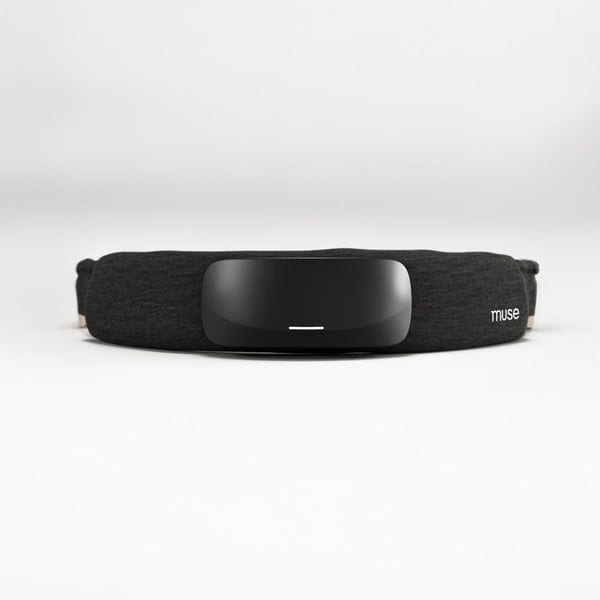
Everything else on this list estimates your sleep stages from heart rate and movement. The Muse S Athena is the exception: it’s an EEG headband with seven brain-activity sensors, so it’s reading actual brainwave signals rather than inferring sleep stage from your pulse. That’s a real, meaningful difference in method, not marketing language.
But it’s also a fabric headband worn across the forehead, which some people (me) find odd to sleep with, and others get used to within a week or two. The tradeoff for that accuracy is the least convenient form factor on this list. If you can sleep with an eye mask, you’ll probably be ok.
Pros
- Actual EEG sensing, not an estimate derived from heart rate
- Includes guided sleep and meditation content, not just tracking
- “Smart alarm” wakes you during lighter sleep rather than at a fixed time
Cons
- Most expensive device on this list at $474.99
- ~10-hour battery is the shortest here — fine for one night, dead if you forget to charge it
- Headband form factor won’t suit every sleeper, especially side sleepers
Who it’s for: anyone who’s tried a ring or watch, still doesn’t trust the sleep-stage numbers, and wants the closest thing to lab-grade accuracy at home — for sleep-stage accuracy specifically, it’s the best sleep tracker here. Who should skip it: anyone who finds anything on their head at night a non-starter… which is probably most people!
What actual owners say (checked 2026-09-12): the one detailed owner comment I found described needing to wear it snug and keep the phone near the pillow to hold the sensor connection reliably — a real setup consideration, not a defect, but worth knowing before your first night. Check price at Muse
Best sleep tracker buying guide
Does the best sleep tracker need a subscription?
Only for two of these six. WHOOP requires one — the membership fee is how you pay for the hardware; there’s no way around it. Oura’s ring works without a membership but loses most of its useful insight, so treat the $5.99/mo as effectively mandatory. The other four — Garmin, Withings, Apple Watch and Muse — give you real sleep tracking with no subscription, and only add one as an optional upgrade.
Ring, watch, band, or under-mattress sensor — which type actually fits your life?
This matters more than any spec on the comparison table. The best sleep tracker is the one you’ll actually have on, or under you, every single night. If you already fail to wear a watch to bed, buying a nicer watch won’t fix that — the Withings mat removes the compliance problem entirely by removing the need to wear anything at all.
How accurate are these things, really?
Confidence level: medium. Sleep/wake detection across this category is generally good — consumer trackers reliably tell whether you were asleep or awake. Sleep-stage breakdown (light, deep, REM) is where they diverge from each other and from clinical measurement, and an EEG-based device like the Muse has a real methodological edge over anything estimating stages from heart rate alone.
What about whole-bed systems like Eight Sleep?
I left these off the ranked list deliberately — see “How I picked” above. If night sweats or temperature swings are your actual sleep problem rather than not knowing what’s happening while you sleep, a temperature-regulated mattress system solves a different problem than anything on this page, at a starting price around $2,300 and running well past $2,900. Worth knowing it exists; not a fair price comparison against a $170 armband.
If those temperature swings are hormonal rather than a mattress problem, I wrote separately about why menopause insomnia hits at almost the same time every night and what actually moves the needle.
Does tracking your sleep actually help you sleep better?
Data alone doesn’t fix insomnia — you still have to act on what it shows you. Where these devices earn their keep is pattern recognition: noticing that your deep sleep collapses on nights you have a late glass of wine, or that your resting heart rate stays elevated for two days after a hard workout. I go into what actually helped me with waking up at 3am, tracker data included, separately.
Which is the best sleep tracker for you?
| Hate subscriptions, want to pay once and forget it | Garmin Index Sleep Monitor |
| Won’t reliably wear anything to bed | Withings Sleep Analyzer |
| Already own an iPhone and Apple Watch | Apple Watch Series 12 — don’t buy anything new |
| Training seriously and want a recovery score | WHOOP |
| Don’t trust the sleep-stage numbers on a normal wearable | Muse S Athena |
| Want the best all-rounder and don’t mind a small monthly fee | Oura Ring |
Frequently asked questions
What’s the most accurate sleep tracker?
For sleep-stage detail specifically, the Muse S Athena has a real edge because it reads EEG signals directly rather than estimating stages from heart rate and movement. For all-round accuracy plus daily usability, the Oura Ring is the best sleep tracker overall pick, and it’s the one I’ve personally worn the longest.
Do sleep trackers actually work?
The best sleep tracker on the market today is still an estimate, not a diagnosis, but for telling you whether you were asleep or awake, yes, they work reliably. For breaking that down into light, deep and REM sleep, every consumer device including everything on this list falls short of clinical polysomnography — useful for spotting trends, not for diagnosing a sleep disorder.
Do I need a subscription for a sleep tracker?
Only if you buy WHOOP, where it’s required, or want the Oura Ring’s full insights, where it’s functionally required. Garmin’s Index Sleep Monitor, the Withings Sleep Analyzer, and Apple Watch’s sleep features all work with no ongoing subscription at all.
Ring vs. watch vs. under-mattress sensor — what’s the real difference?
A ring (Oura) is the least noticeable to wear and has the longest battery life of the wearables. A watch (Apple Watch) does more overall but needs daily charging. An under-mattress sensor (Withings) removes the wearing problem entirely but can’t separate two sleepers as cleanly and doesn’t track daytime activity. Whichever type actually fits your life is the best sleep tracker for you, not whichever one wins on paper.
Can a sleep tracker help if I keep waking up at 3am?
It can show you patterns — alcohol, late workouts, stress — that correlate with the wake-ups, which is genuinely useful. It won’t fix the underlying cause on its own. I cover what actually helped me with this specifically in a separate piece.
What’s the difference between the Oura Ring and WHOOP?
Oura is built around a ring form factor and gives you sleep, readiness and daily activity in one balanced package. WHOOP is built around training load and recovery first, with sleep as the biggest input to that recovery score — it’s the better pick specifically if you’re training seriously.
Best sleep tracker methodology
I built the candidate pool by reading the most popular “best sleep tracker” roundups and logging every product, price, and award label they gave — 13 distinct products before I formed an opinion about any of them. I also own an Apple Watch and Oura Ring and borrowed the rest from friends. Price bands came from that pool’s real spread (roughly $170 at the low end, $370 in the middle), not from an arbitrary list.
Specs came from each manufacturer’s own current product page wherever possible (Oura, Withings, Garmin, Apple, Muse); WHOOP’s pricing came from its own published support-article figures, cross-checked against two independent pricing trackers, since whoop.com blocks automated access. Every price on this page was checked on September 12, 2026 and will drift — verify the live price before buying.
Rejected from the ranked list, and why: Eight Sleep Pod and similar whole-bed temperature systems (different price category entirely, starting near $2,300); Samsung Galaxy Ring (couldn’t source enough independent owner evidence to rank it responsibly); RISE and similar coaching apps (software, not the hardware this roundup is about).
Affiliate relationships: none live on this page — every outbound link above goes to the manufacturer’s own current product page.
